Phone and WhatsApp scams in Linares: how to avoid them and where to report
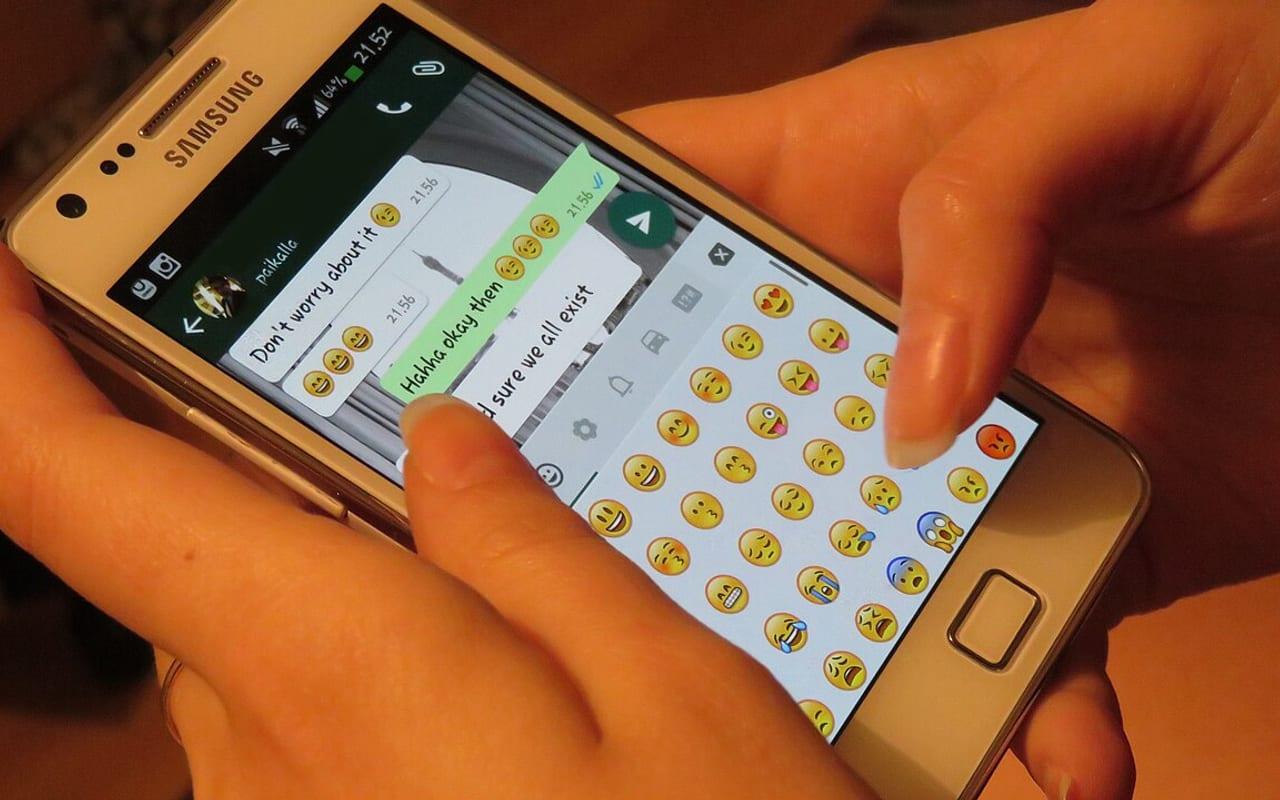
"Hi Mum, I dropped my phone in water, this is my new number." "This is your bank's security department." "You've been selected for a government grant, click here." If you haven't received one of these messages, someone in your family probably has. Phone and WhatsApp scams are now one of the most common crimes in Chile, and they don't care about age or city. In Linares, as everywhere in Chile, the WhatsApp groups of your neighbourhood, your children's school or the local market are where a fake message spreads fastest. In this guide we explain the scams that circulate most, how to spot them, how to protect your accounts and what to do, minute by minute, if you've already fallen for one.
The most common phone and WhatsApp scams in Linares
The fake relative is the most frequent: someone writes from an unknown number claiming to be your son, nephew or grandson who has changed phones, and after a few messages asks for an urgent transfer to pay for something. The second is the fake bank officer: they call saying they've detected suspicious activity on your account and, to "block it", ask for your passwords, the code you received by text message or for you to install an app. The third, increasingly common, is fake grants: in 2026 the PDI (Chile's investigative police) warned about messages offering supposed government grants after the winter storms and about a fake 100,000-peso grant for women spread on WhatsApp.
There are also fake sales on social media, where you're asked to transfer money before seeing the product; fake transfer receipts, used to take something you're selling without paying; "your parcel is being held" messages with a link to pay for supposed delivery; and calls pretending to be from the PDI, Carabineros or a court threatening you with legal action. They all have one thing in common: they want you to act quickly, scared or excited, before you have time to think.
Signs that help you spot a phone or WhatsApp scam
Some signs come up in almost every case. The first is urgency: "it has to be now", "they're going to cut you off", "you'll lose the benefit". The second is being asked for information no legitimate organisation would ask for by phone: your passwords, your one-time security code, the six-digit code that arrives by text message to register WhatsApp or your card numbers. No bank, utility company or government body will ask you for that information by call or message.
Other signs: an unknown number claiming to be someone you trust, a shortened link or one with a strange address, spelling mistakes in a message supposedly sent by an institution, and a request to transfer money to a third party's account "because mine is blocked". If in doubt, hang up and call the official number yourself, the one on the back of your card or on the institution's website. And if a "relative" asks you for money, call them on their usual number or ask them something only they would know.
How to protect your WhatsApp and your bank accounts
The most useful and least known measure is turning on WhatsApp's two-step verification: go to Settings, then Account, then Two-step verification, and create a six-digit PIN. That way, even if someone gets hold of the code sent to you by text message, they won't be able to register your WhatsApp on another phone without that PIN. Along the same lines, turn on purchase and transfer notifications in your bank's app, so you find out immediately about any unusual activity.
Use different passwords for your bank, email and social media, and don't write them down on the same phone. Don't install apps someone asks you to install over the phone, because some of them are used to control your device remotely. Set WhatsApp so that only your contacts can see your profile photo, which makes it harder for someone to impersonate you. And if you want to know which financial institutions there are in the city and how to contact them, read our guide to banks and credit unions in Linares.
What to do if you've been scammed in Linares: the first few minutes
If you realise you've fallen for a scam, time is what matters most. First, call your bank immediately on its official number and ask them to block your cards and account. Second, change your passwords from a secure device. Third, if your WhatsApp was stolen, warn your contacts another way so nobody else transfers money, and write to WhatsApp support to ask for the account to be deactivated. Fourth, keep all the evidence: screenshots of the messages, the number they wrote from, the transfer receipts and the time of each call.
Don't delete the conversations, even if you feel embarrassed: they are the main evidence for the police report and for your claim with the bank. And ignore anyone who writes to you afterwards offering to "recover your money" in exchange for a payment: it's a very common second scam that targets precisely the people who have just fallen victim to the first one.
How to ask your bank for a refund in Linares
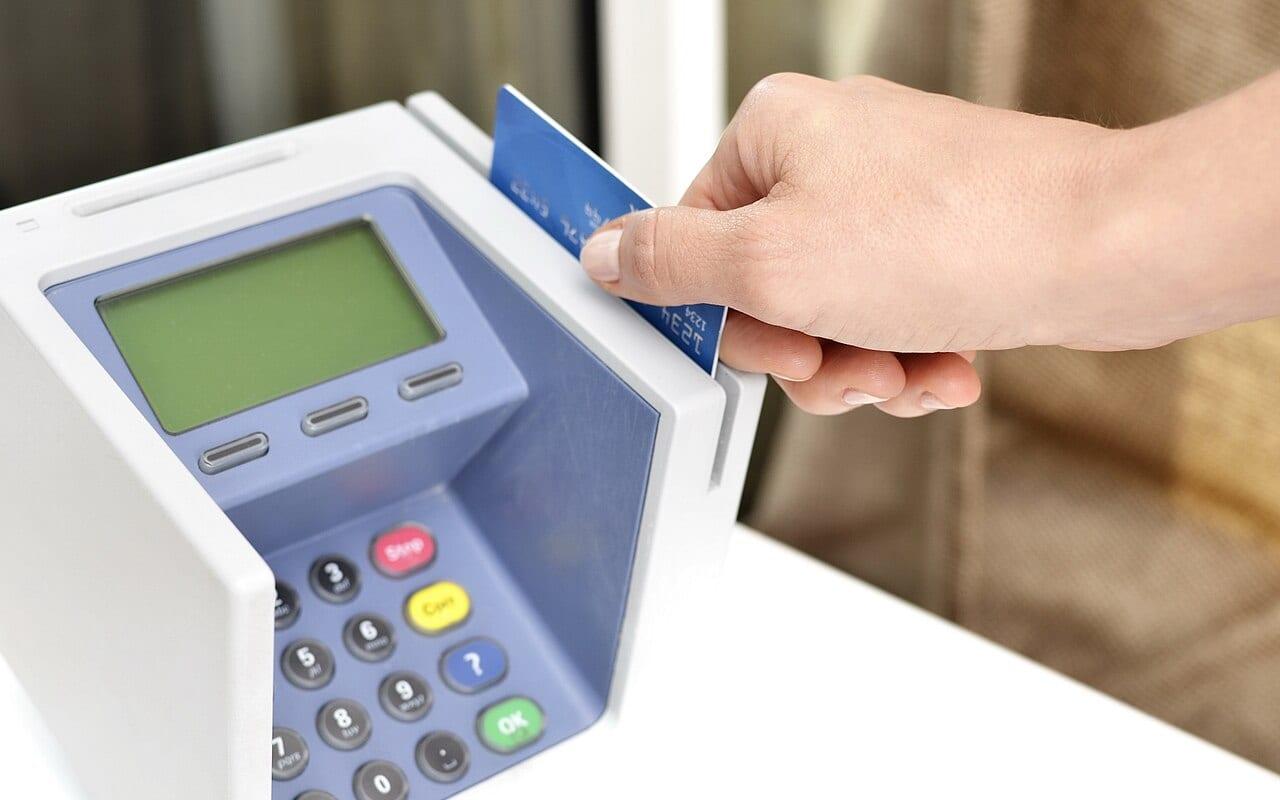
Since 2024 Law 21,673 has been in force, amending Chile's law on card and electronic transaction fraud. According to Sernac, the national consumer service, when someone disputes a transaction of up to 35 UF (Chile's inflation-indexed unit), the bank must refund the money within 10 working days of the claim; if the amount is higher, it must refund at least those 35 UF within that period. The bank can suspend the refund if it has evidence of fraud or gross negligence by the customer, for example if you voluntarily handed over your passwords, and in that case it must start a formal procedure.
To make the claim, the bank will ask for a copy of the police report, so file it as soon as possible. If the bank doesn't reply or rejects your claim, you can complain to the Financial Market Commission (CMF), which supervises banks, or to Sernac. Our Linares banks category lists the addresses of the city's branches, in case you prefer to do it in person.
Where to report a scam in Linares
You can report it at any PDI station, at a Carabineros police station or directly at the Public Prosecutor's Office. Bring your ID card, the screenshots, the receipts and all the details you have about the scammer: phone number, name on the account you transferred to and the destination bank. If there's an emergency in progress, for example someone threatening you, call Carabineros on 133 or the PDI on 134. You'll find more numbers on our Linares useful information page.
Reporting is worthwhile even if you think the money won't come back: it allows the police to link cases, identify the accounts scammers use and often get them blocked before others fall victim. It also helps to tell your story in your family or neighbourhood group: the best protection against these scams is for everyone to know how they work.
How to help older people avoid scams in Linares
Older people are the favourite target of many scammers, because they tend to trust a friendly voice on the phone more and sometimes feel lonely. Sit down with your parents or grandparents and go over two golden rules together: never give passwords or codes over the phone, and before transferring money to a relative, call them on their usual number. Write the bank's official number and that of a trusted relative on a piece of paper next to the phone.
If you manage their accounts, turn on transaction alerts and check their statements from time to time. And remind them there's no shame in asking: it's much better to call a son or daughter and be wrong than to lose a lifetime's savings. If they have questions about health or paperwork, our guide to registering at a CESFAM health centre in Linares may also help.
Phone and WhatsApp scams in Linares: frequently asked questions
Can my bank ask for my password over the phone? No. No bank asks for passwords, one-time codes or verification codes by call, text message or WhatsApp. If they ask, it's a scam.
What do I do if someone stole my WhatsApp? Warn your contacts another way, write to WhatsApp support to deactivate the account and, once you recover it, turn on two-step verification.
Will the bank refund me if I was scammed? Under Law 21,673 and according to Sernac, for disputed transactions of up to 35 UF the bank must refund the money within 10 working days, unless it has evidence of fraud or gross negligence. You need a police report to make the claim.
Where do I report a scam? To the PDI, Carabineros or the Public Prosecutor's Office. And if you want to be ready for other summer emergencies, also read our guide to power and water cuts in Linares.
Francisco Javier Morales
Founder of Linares Conecta
You may also be interested in
Power and water cuts in Linares: who to call and how to complain
What to do in Linares when the power or water goes off: company phone numbers, scheduled outages, water supply points, automatic compensation and how to complain to the SEC and SISS step by step.
By Francisco Javier Morales
Wildfires and heatwaves in Linares: how to prevent them and what to do
A summer guide for Linares: how to prevent wildfires at home and in the countryside, what CONAF says about burning, who to call if you see fire (130), how to stay safe in a heatwave and what to pack in your emergency kit.
By Francisco Javier Morales
PAES 2026 in Linares: dates, times, test centre and tips
Everything students in Linares taking the PAES 2026 need to know: dates and times of each test (30 November to 2 December), how to find your test centre, what to bring, results, applications and where to study in Linares.
By Francisco Javier Morales