History of Linares: facts every local should know
We live in Linares and walk past the Plaza de Armas, the Cathedral or streets like Independencia, Max Jara and Valentín Letelier every day, yet we often don't know why they carry those names or how it all began. This guide brings together the history of Linares and the facts every local should know: when and why the city was founded, where its name comes from, what happened here during the War of Independence, how farming and industry shaped its economy and which notable people were born here. It isn't a history book, just a clear summary to help you know and love our city a little more.
The founding of Linares in 1794
Linares was officially founded on 23 May 1794 under the name Villa de San Ambrosio de Linares. The order came from Ambrosio O'Higgins, who was then governor of the Kingdom of Chile and later became viceroy of Peru. At the end of the 18th century the Spanish Crown wanted to bring together the population scattered across the estates and farms of the central valley, so it founded several new towns south of the Maule River. Linares, Parral and Constitución were all born in that same period.
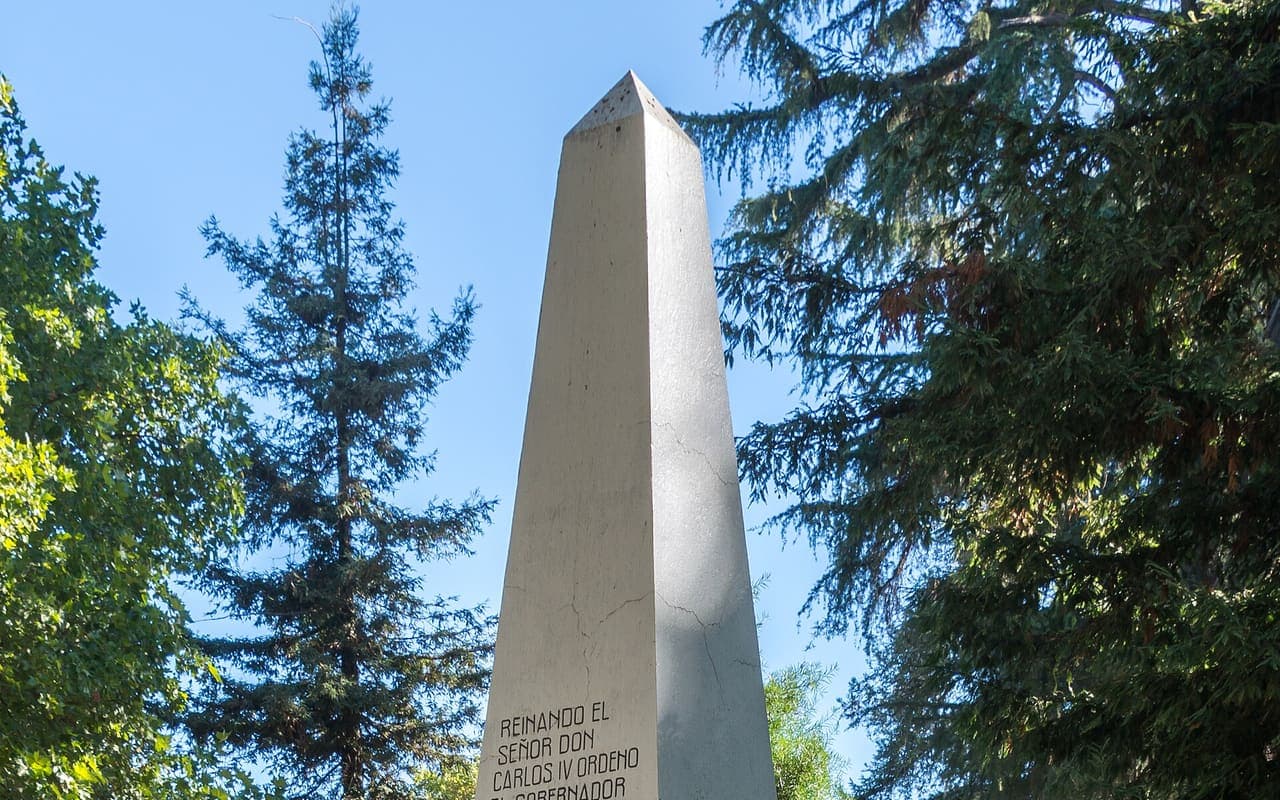
There had been attempts to found a town in the area in the mid-18th century, but they did not succeed. The definitive founding followed the classic colonial model: a central square with straight streets forming blocks around it, and plots for the church and government buildings facing the square. That layout is still the heart of Linares today: the Plaza de Armas, with its founding obelisk, and the Cathedral on one of its sides.
Where does the name Linares come from?
The name Linares comes from Francisco de la Mata Linares, the intendant of Concepción at the time, who carried out the founding on O'Higgins's behalf. According to historical accounts, the town was first going to be called San Francisco de Linares in the intendant's honour, but he declined, and the name was changed to San Ambrosio de Linares in honour of governor Ambrosio O'Higgins.
That is why the city has two names joined together: San Ambrosio, for the governor, and Linares, for the intendant. The city's patron saint is Saint Ambrose, which is why the Cathedral and the diocese bear his name. A curious fact: when you search for "Linares" online you often get results for Linares in Spain or Linares in Mexico. They are different cities that share the name and have no link to ours, although the Linares de Jaén pedestrian walkway on Freire Street recalls the friendship with the Spanish city.
Linares in the War of Independence: the 1813 Capture of Linares
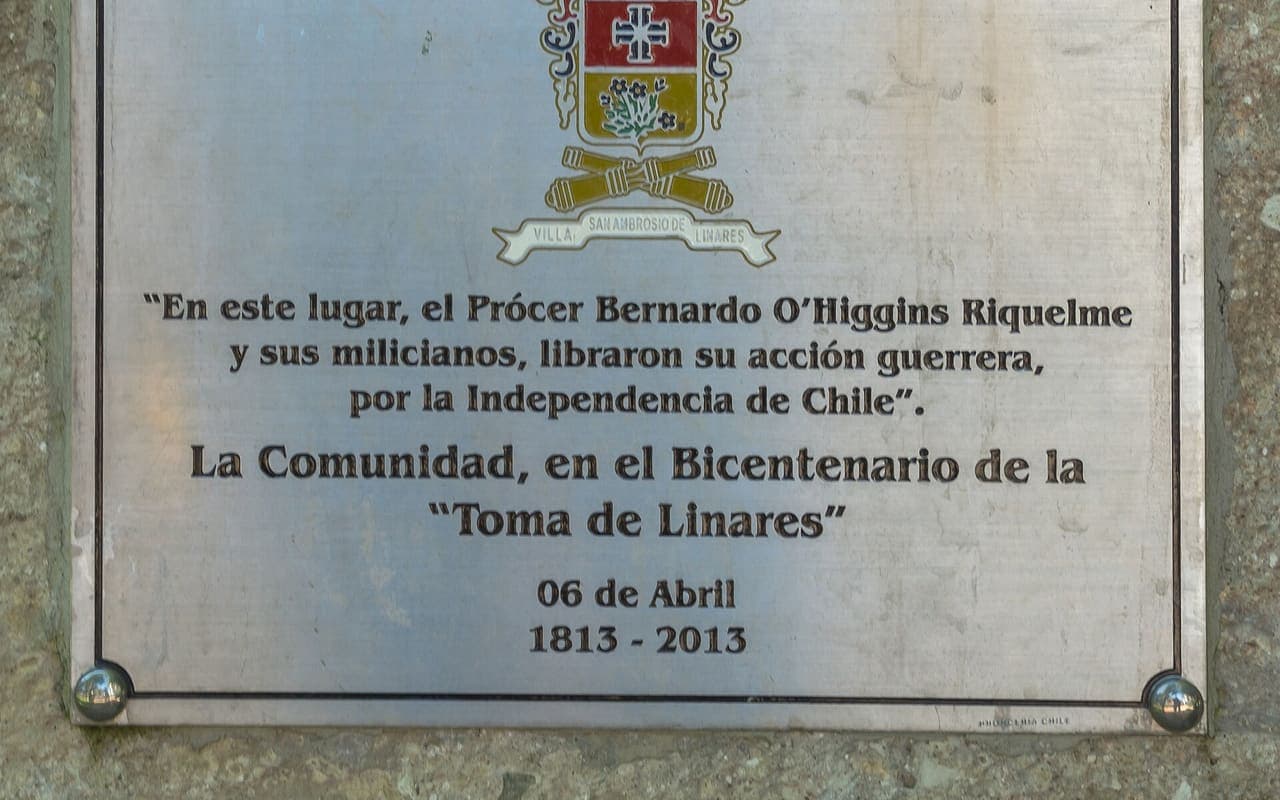
Linares holds a special place in the history of Chilean independence. On 6 April 1813, Bernardo O'Higgins, son of the town's founder, led his militiamen in taking the town of Linares, which was held by royalist forces. The action is remembered as O'Higgins's first feat of arms in the struggle for independence, and in 2013, on its 200th anniversary, the community installed a plaque commemorating the Bicentennial of the Capture of Linares.
In the following years Linares went through the ups and downs of war: it was occupied by Spanish troops in 1813 and, already under the republic, in 1823 by the bands of the Pincheira brothers, who raided the south of the country. Over time the city grew, and on 23 April 1873 it became the capital of the province of Linares, a role it still holds within the Maule Region.
Linares in figures: population, territory and rivers
The municipality of Linares covers about 1,466 square kilometres and, according to the 2017 Census, had 93,602 inhabitants, making it one of the largest municipalities in the Maule Region. The city sits about 165 metres above sea level, right in the central valley, between the Andes to the east and the Coastal Range to the west. People born here are called linarenses.
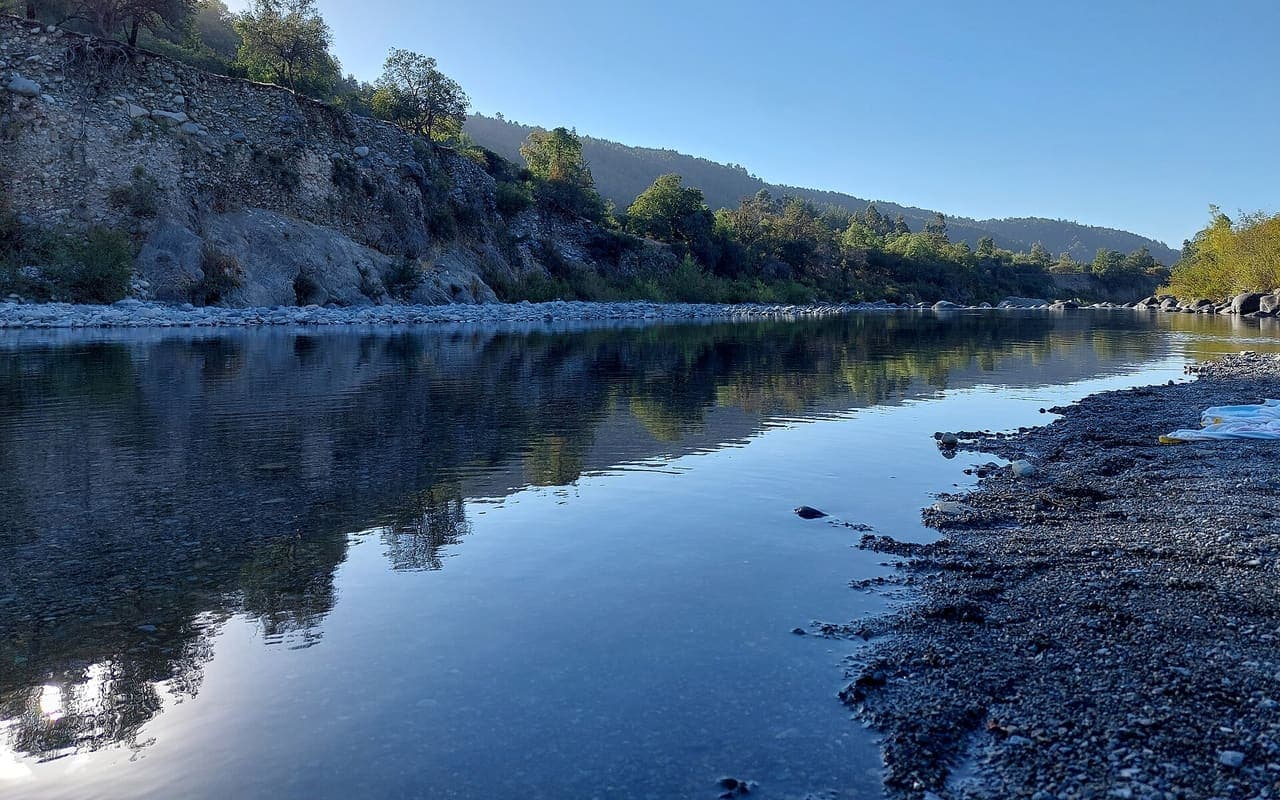
The territory of Linares is crossed by several rivers that have shaped its life and economy: the Achibueno, the Ancoa, the Putagán and the Loncomilla, among others. The Achibueno River rises in the Andes and its canyon was declared a Nature Sanctuary; if you want to visit, check our travel guide to the Cajón del Achibueno. The water of these rivers made irrigated farming possible, and with the Ancoa reservoir, opened in 2013, it remains the backbone of the local economy.
Rice, sugar beet and IANSA: the economic history of Linares
Linares has always been a farming city. The province of Linares produces about 78% of Chile's rice, mainly in municipalities such as Parral, and its fields also grow wheat, corn, fruit, berries and vegetables. For decades the city was also an agro-industrial hub thanks to the IANSA sugar plant, which opened in the late 1950s and processed sugar beet from the whole area. At its peak it provided direct and indirect jobs to thousands of people in the province.
The IANSA plant in Linares closed in 2018, a hard blow for many families. Today the Linares economy combines farming and export fruit growing with commerce, services, healthcare and education, which are concentrated in the city as the provincial capital. If you are interested in farming, our Linares Farming Corner has wholesale prices, the farming weather and agricultural services in the municipality.
The Cathedral, the Museum and other symbols of Linares
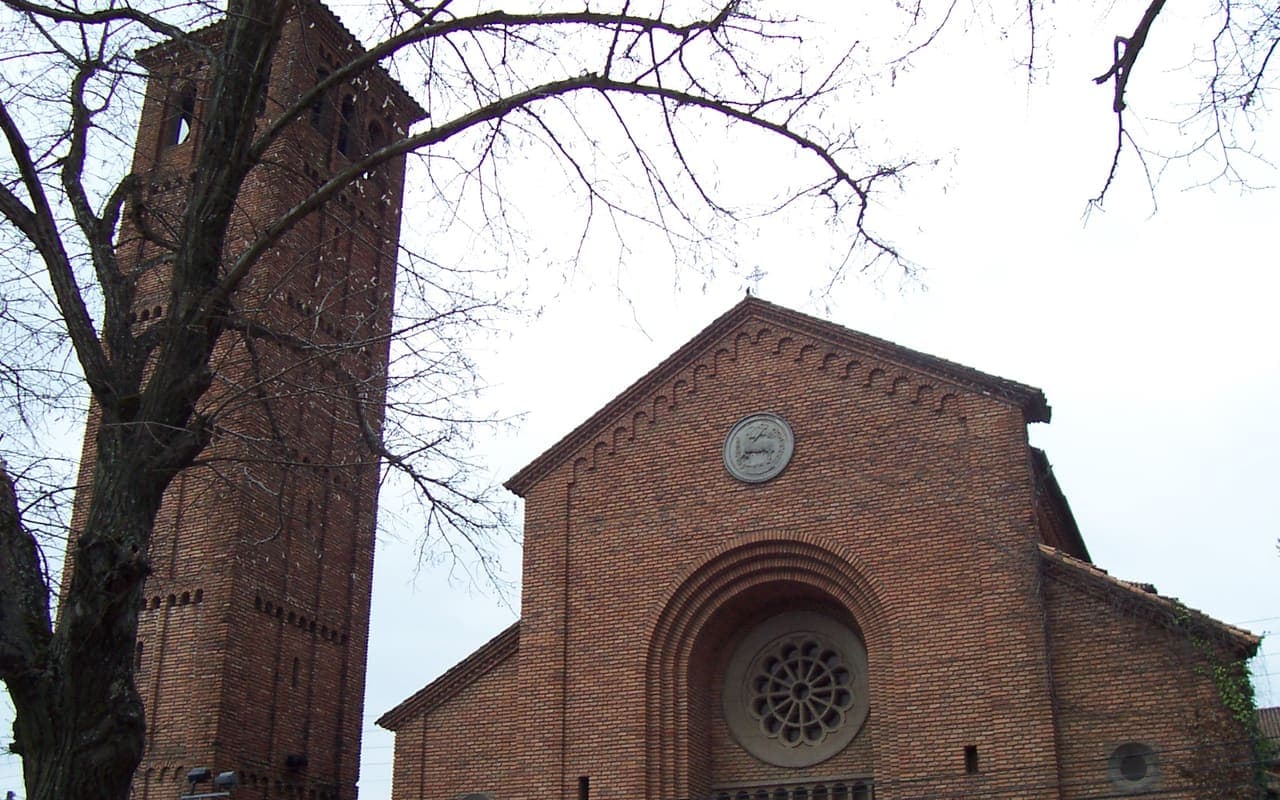
The San Ambrosio Cathedral of Linares, facing the Plaza de Armas, is the city's most recognisable building. Its design is inspired by the Basilica of Sant'Ambrogio in Milan, Italy, with a brick bell tower visible from several blocks away. The diocese of Linares was created in 1925, and the Cathedral was damaged in the earthquake of 27 February 2010, as was the Corazón de María church, a national Historic Monument.
Another symbol is the Linares Museum of Art and Crafts, founded in 1966, which holds collections of Chilean art and traditional crafts and runs exhibitions, workshops and free film series. The city's coat of arms was adopted in 1944, when Linares turned 150, and the city is also home to the Chilean Army's Artillery School. You can find the city's cultural venues in the Culture and Entertainment category in Linares.
People from Linares who made history
Linares has produced people who left their mark on Chilean history. The best known is Carlos Ibáñez del Campo, born in Linares, who was twice President of the Republic. The folklorist Margot Loyola, one of the great researchers of traditional Chilean music and dance, was also born here. And the Liceo Valentín Letelier, named after the distinguished educator and jurist from Linares and built on the spot where he was born, counts among its alumni the poet Max Jara and the writer Januario Espinoza, whose names now grace city streets.
To learn more about notable people from Linares, from public figures and writers to athletes, visit our people of Linares page. And to follow the history being written today on the pitch, don't miss the section on Club Deportes Linares, the city's red-and-white football team.
History of Linares: frequently asked questions
When was Linares founded? On 23 May 1794, by order of governor Ambrosio O'Higgins, under the name Villa de San Ambrosio de Linares.
Why is it called Linares? After Francisco de la Mata Linares, intendant of Concepción, who carried out the founding. "San Ambrosio" honours governor Ambrosio O'Higgins.
What was the Capture of Linares? On 6 April 1813 Bernardo O'Higgins took the town of Linares in his first military action of the War of Independence.
How many people live in Linares? According to the 2017 Census, the municipality had 93,602 inhabitants. Knowing the history of Linares is also a way of caring for the city: next time you walk through the Plaza de Armas, look at the obelisk and remember that it all began there more than two hundred years ago.
Francisco Javier Morales
Founder of Linares Conecta
You may also be interested in

Cinema in Linares: where to watch movies in 2026
Is there a cinema in Linares? Here's where to watch movies in Linares: screenings at the Municipal Theater, free film series at the Museum, festivals and the nearest commercial cinema in Talca.
By Francisco Javier Morales
Cajón del Achibueno in Linares: the complete travel guide
Travel guide to the Cajón del Achibueno in Linares, Chile: how to get there, things to do, natural pools and waterfalls, the trek to Laguna Achibueno, where to stay and when to visit this Maule nature sanctuary.
By Francisco Javier Morales
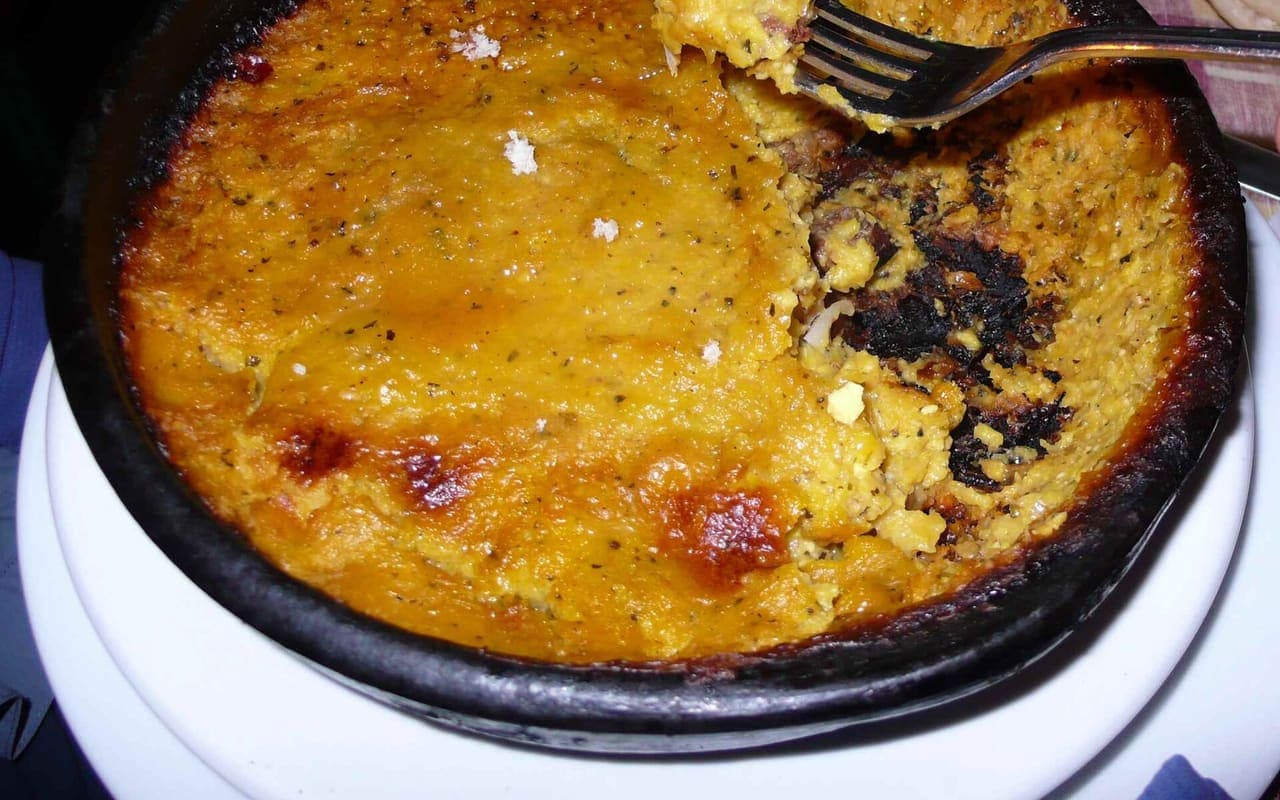
Restaurants and bars in Linares for a special dinner
From traditional grills to bars serving Maule wines: here's what to look for in Linares restaurants and bars so your next special dinner is a success.
By Francisco Javier Morales